Trillions of tiny gut bacteria grow old with you, and they don’t all age the same way.
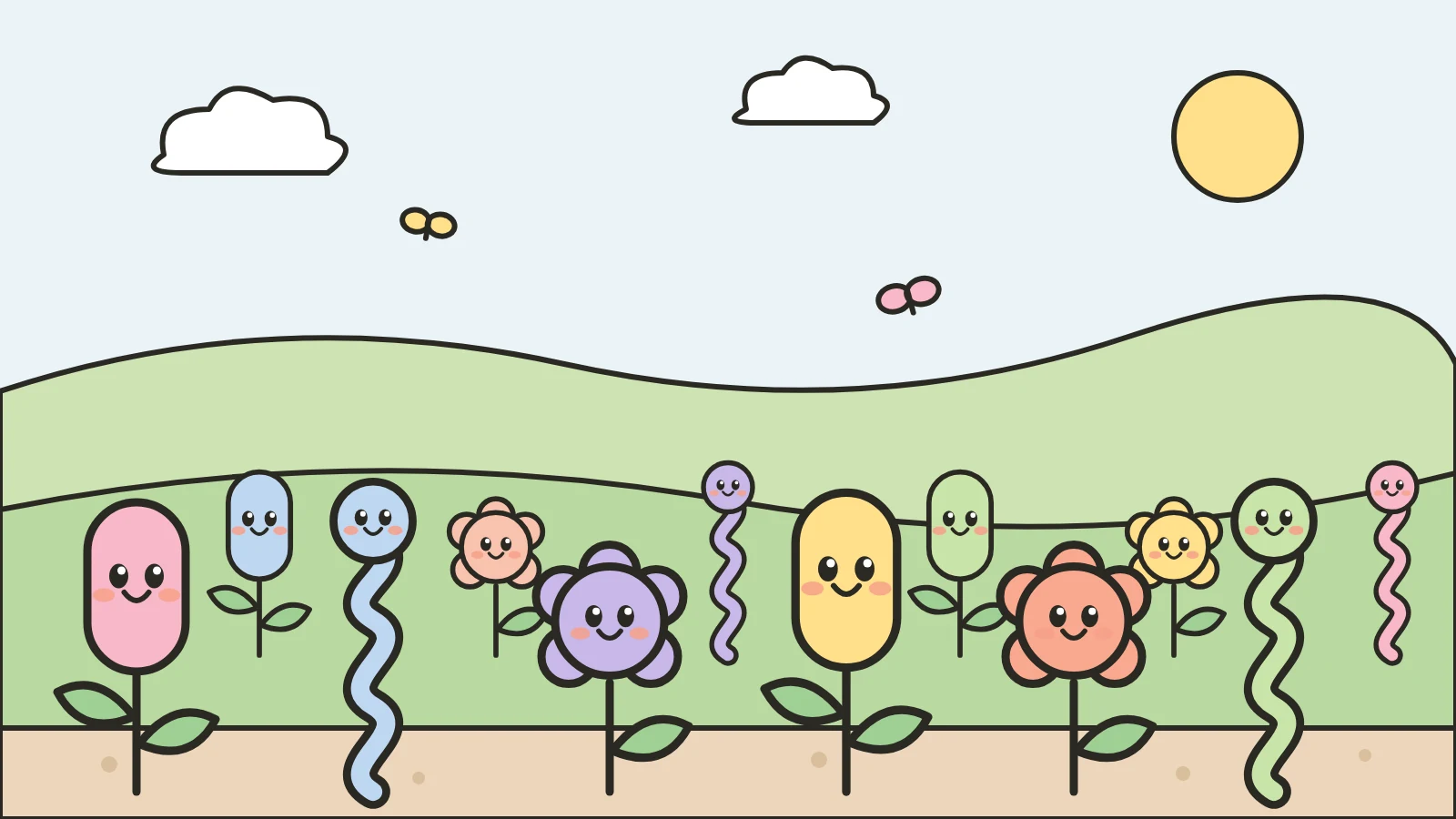
Your gut is home to a busy crowd of bacteria called the microbiome (MY-kro-BY-ohm). Think of it as a garden. Some “plants” help break down fiber, some make vitamins, and some help keep troublemakers out.
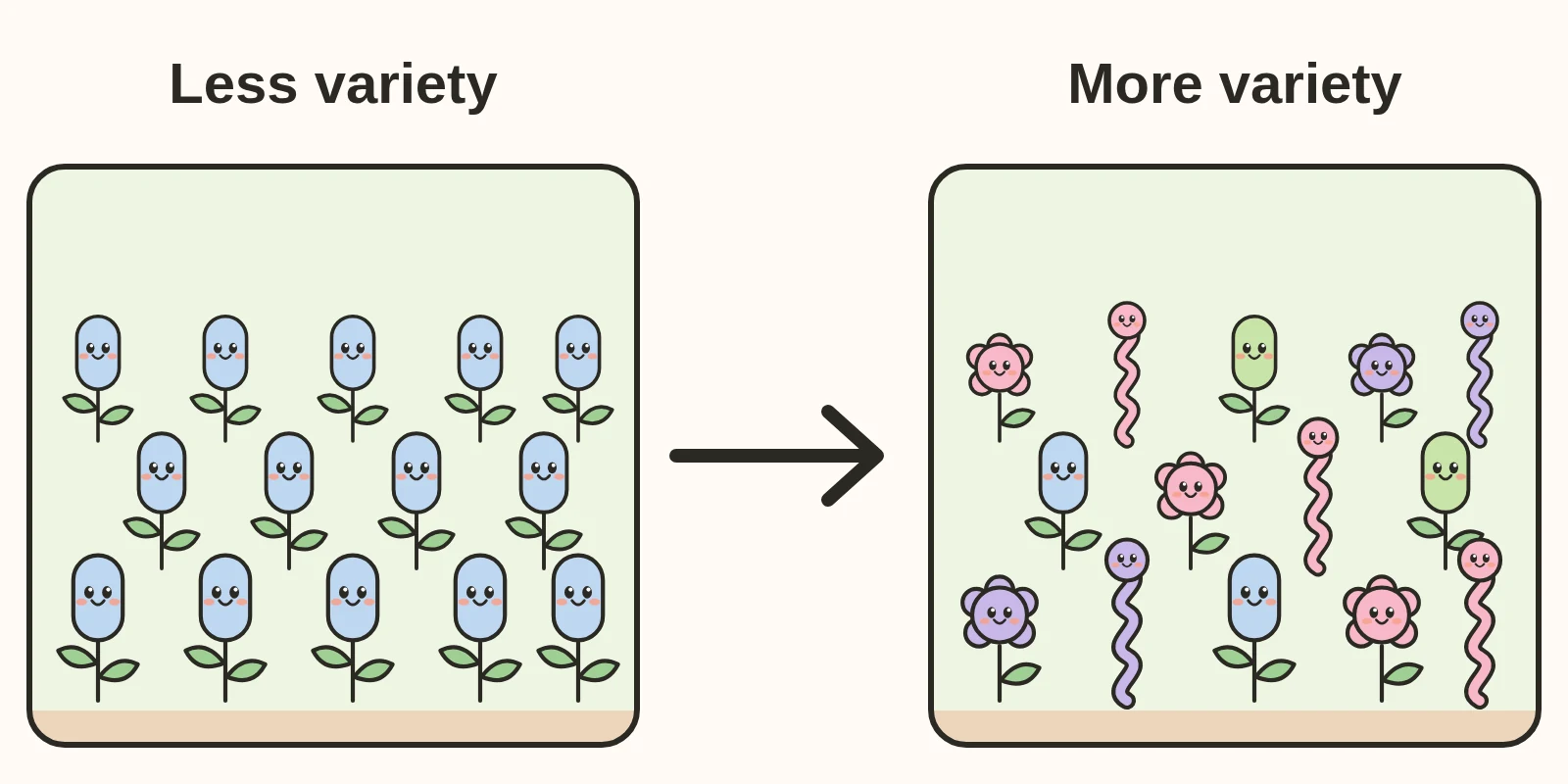
Like any garden, it changes over time. In a study of about 9,000 adults, people who aged in good health tended to have gut gardens that grew more unique over the years, drifting away from the common mix most people share. In less healthy people, that drift didn’t show up as much.1
What you eat seems to matter. Among older adults in Ireland, those who ate a wider variety of foods tended to have a more varied gut garden, and that variety lined up with better health.2
Even people who live past 100 have their own pattern, with more of certain helpful bacteria.3 Scientists are still sorting out which comes first: the healthy aging or the healthy garden.
References
- Wilmanski T, et al. “Gut microbiome pattern reflects healthy ageing and predicts survival in humans.” Nature Metabolism 3: 274–286 (2021). doi:10.1038/s42255-021-00348-0
- Claesson MJ, et al. “Gut microbiota composition correlates with diet and health in the elderly.” Nature 488: 178–184 (2012). doi:10.1038/nature11319
- Biagi E, et al. “Gut Microbiota and Extreme Longevity.” Current Biology 26: 1480–1485 (2016). doi:10.1016/j.cub.2016.04.016
What this is not. Education only. Stories on cells.com are not medical advice. cells.com does not diagnose, treat, prescribe, run laboratory tests, or ship kits.
Simon Ng is the founder of cells.com. He has spent more than a decade on biotech finance executive teams, including at Quark Pharmaceuticals and Adverum Biosciences, and holds an MBA.