
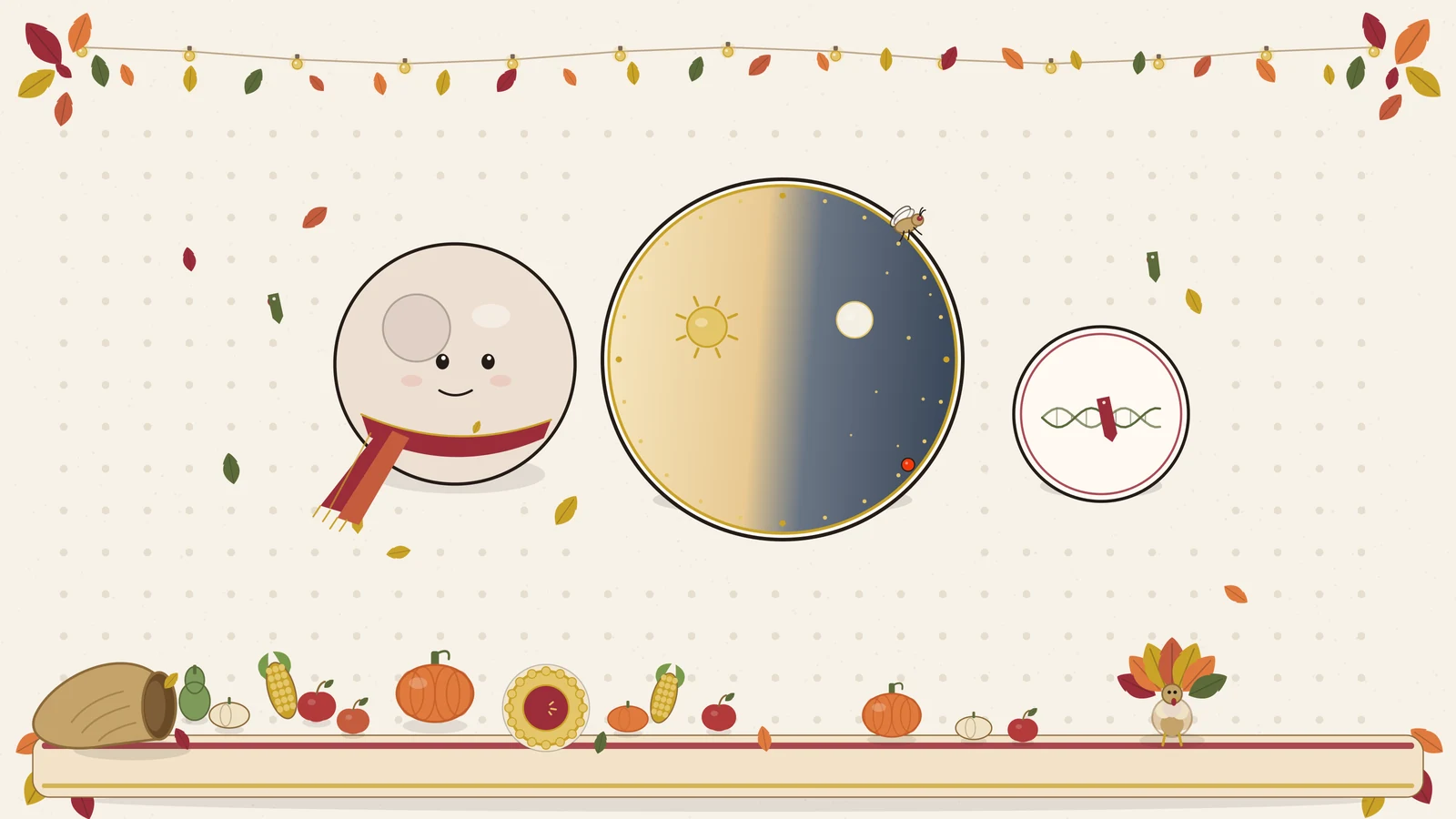
Your body keeps daily hours. Meet the clock that runs them.
Picture a kitchen. It opens in the morning, gets busy, and closes at night. Your body runs on a similar daily schedule called the circadian (sur-KAY-dee-un) rhythm. The name comes from Latin for "around a day."
This inner clock helps set when you feel sleepy, your hormone levels, your body temperature, and how you use food.1
How does it keep time? In 2017, Jeffrey Hall, Michael Rosbash, and Michael Young won the Nobel Prize for showing how, first in fruit flies. A protein builds up in the cell at night and breaks down during the day, like a timer that resets itself. Human cells work by the same basic idea.1
Jet lag is what happens when the kitchen's hours and the clock on the wall stop matching for a while.
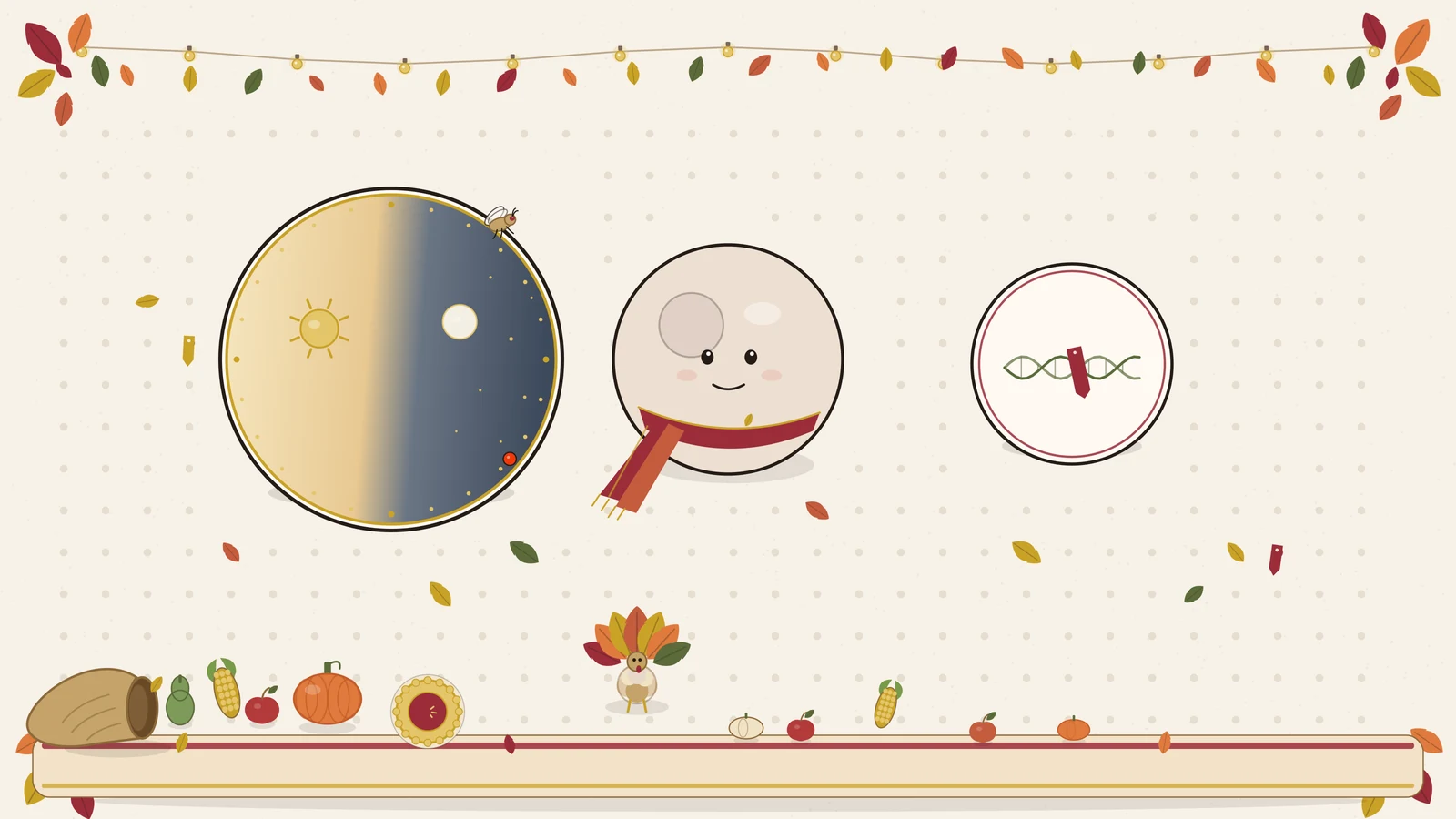
The key point: this daily clock is not the epigenetic clock from Monday. One keeps time of day. The other is an estimate of biological age built from bookmarks on your DNA.2 Same word, different clocks.
Tomorrow: did sleep make anyone younger?
References
- Nobel Prize Outreach. “The Nobel Prize in Physiology or Medicine 2017.” Press release, Oct 2, 2017. https://www.nobelprize.org/prizes/medicine/2017/press-release/
- Horvath S. “DNA methylation age of human tissues and cell types.” Genome Biology 14:R115 (2013). https://doi.org/10.1186/gb-2013-14-10-r115
What this is not. Education only. Stories on cells.com are not medical advice. cells.com does not diagnose, treat, prescribe, run laboratory tests, or ship kits.