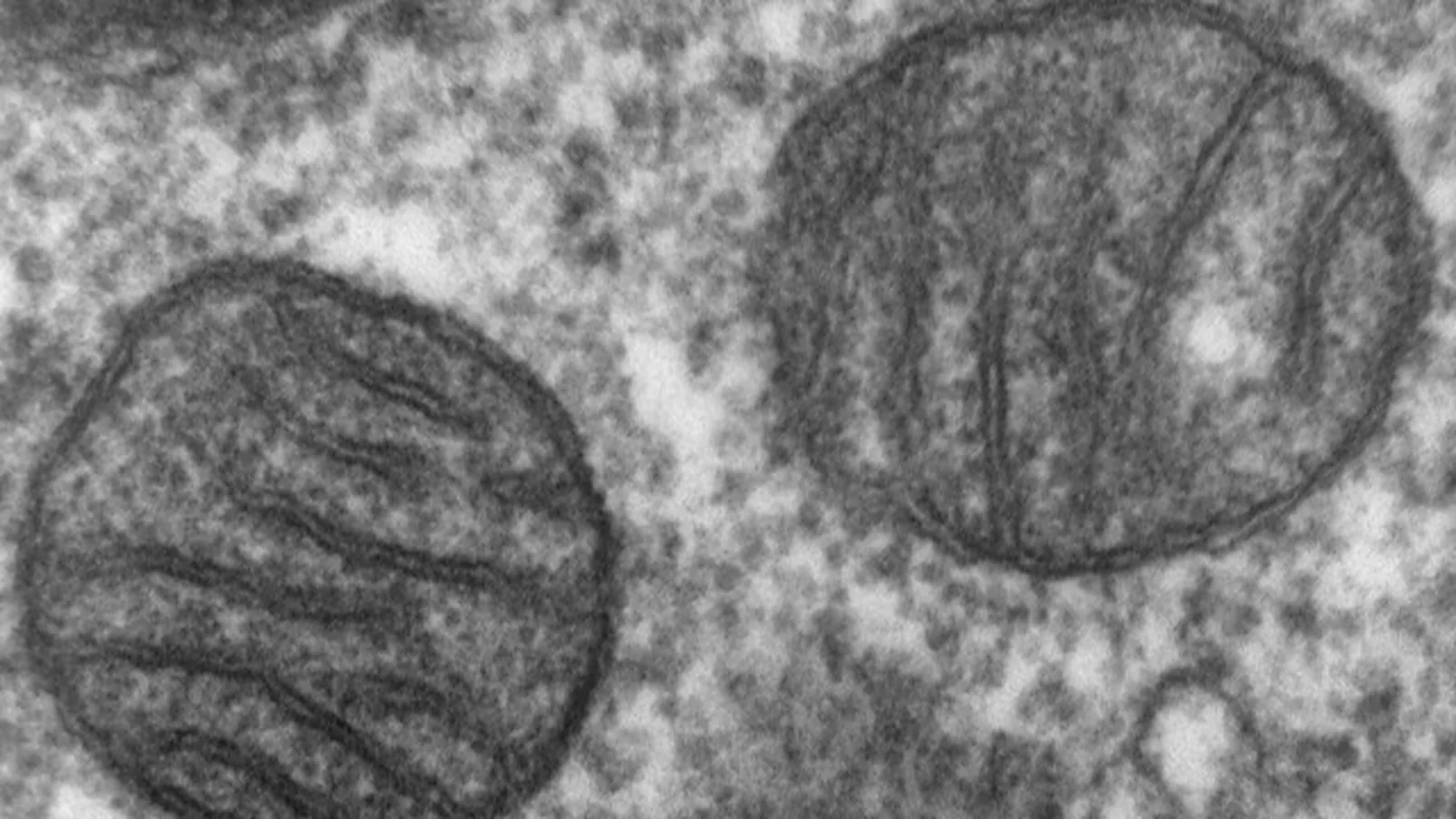
Every time you run, laugh, or think, your body uses energy. Where does it come from? Inside almost every cell are tiny power plants called mitochondria (pronounced my-toe-KON-dree-uh).
Mitochondria take the food you eat and the air you breathe and turn them into energy packets called ATP. Think of ATP as tiny charged batteries that cells spend to build, move, and send messages. Hard-working heart cells are packed with thousands of mitochondria!
Here's a surprise: mitochondria have their own little bit of DNA. Scientists think they were once free-living bacteria that moved into bigger cells long ago and never left. Lynn Margulis championed this idea in the 1960s, and many people doubted her at first. Today, lots of evidence supports it.
As we get older, mitochondria may not work as well, and scientists study this as one clue to how bodies age. So next time you jump or giggle, thank your power plants!
References
- The Nobel Prize in Chemistry 1978 (Peter Mitchell, how cells make ATP), NobelPrize.org: https://www.nobelprize.org/prizes/chemistry/1978/summary/
- Sagan L (Lynn Margulis). "On the origin of mitosing cells." Journal of Theoretical Biology 14 (1967): 225–274. doi:10.1016/0022-5193(67)90079-3
What this is not. Education only. Stories on cells.com are not medical advice. cells.com does not diagnose, treat, prescribe, run laboratory tests, or ship kits.
Simon Ng is the founder of cells.com. He has spent more than a decade on biotech finance executive teams, including at Quark Pharmaceuticals and Adverum Biosciences, and holds an MBA.