
Step on a bathroom scale twice. If it says 150, then 154, you would not trust either number much.
Age clocks can wobble the same way. Yesterday we saw that measuring the same sample twice moved six well-known research clocks by up to 9 years.1 That wobble is called test-retest noise. Each repeat measurement is a replicate (REP-lih-kit).
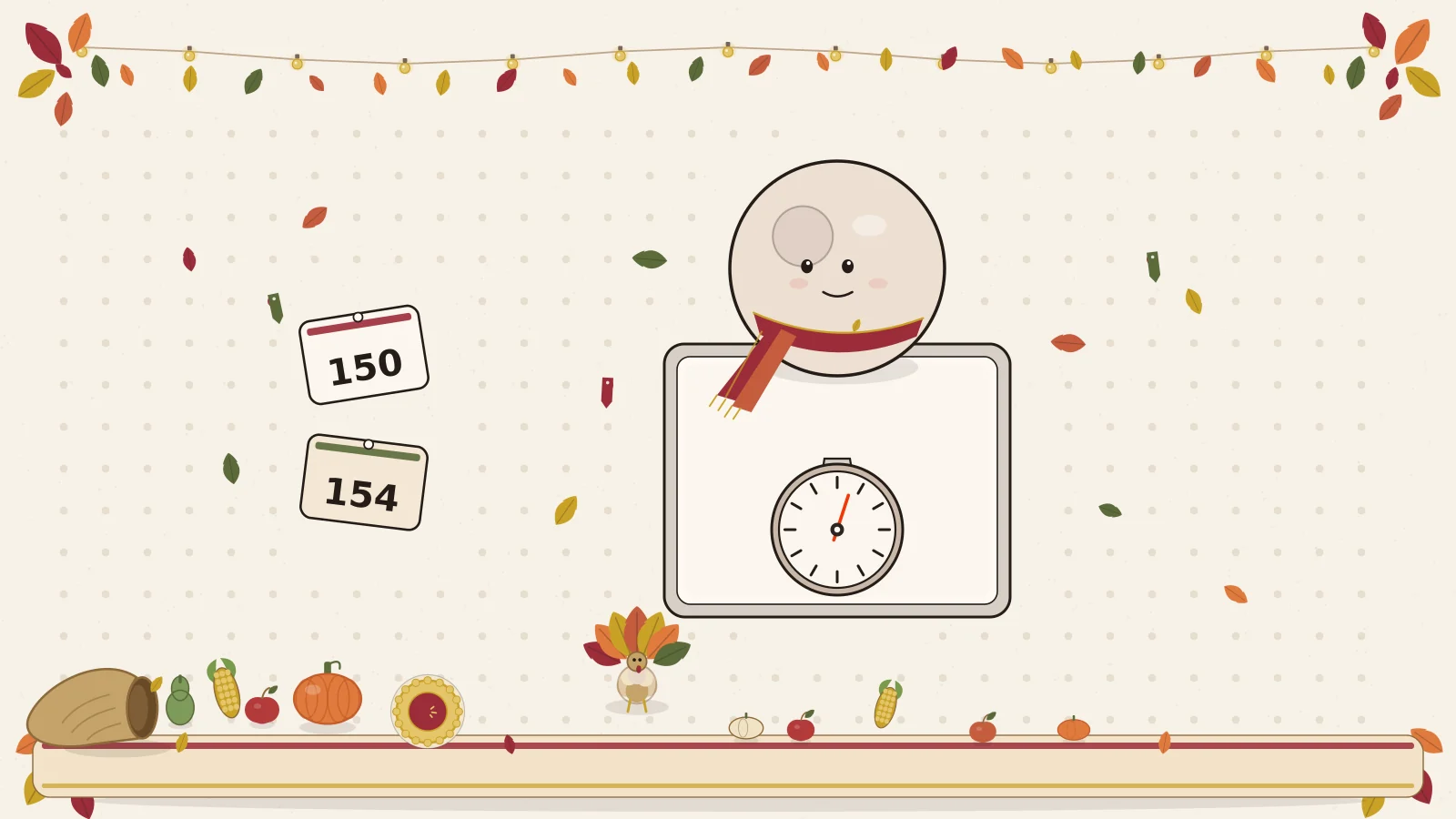
The good news: the same researchers found a fix. They rebuilt those six clocks using a math shortcut called principal components (PRIN-suh-pul kum-POH-nent), or "PC" for short. Most repeat measurements of the PC clocks then agreed within about 1.5 years.1
Steadier is not the same as best. This was a research method, not a ranking of tests you can buy.
So when two numbers disagree, a few plain questions help:
- Same clock, or two tools doing different jobs?
- Same sample type, like blood or saliva?
- Is the gap bigger than normal lab wobble?
Two different methods are not a clean before-and-after.2 And neither number is your "true" age.
Tomorrow: what nudges the clocks?
References
- Higgins-Chen AT, Thrush KL, Wang Y, et al. "A computational solution for bolstering reliability of epigenetic clocks: implications for clinical trials and longitudinal tracking." Nature Aging (2022). https://doi.org/10.1038/s43587-022-00248-2
- Bell CG, Lowe R, Adams PD, et al. "DNA methylation aging clocks: challenges and recommendations." Genome Biology 20:249 (2019). https://doi.org/10.1186/s13059-019-1824-y
What this is not. Education only. Stories on cells.com are not medical advice. cells.com does not diagnose, treat, prescribe, run laboratory tests, or ship kits.